The exhibition -
Francis and the perfect robe
The robes of "Fratello sole e sorella luna"
Lugano, Villa Ciani, 4-17 ottobre 2026
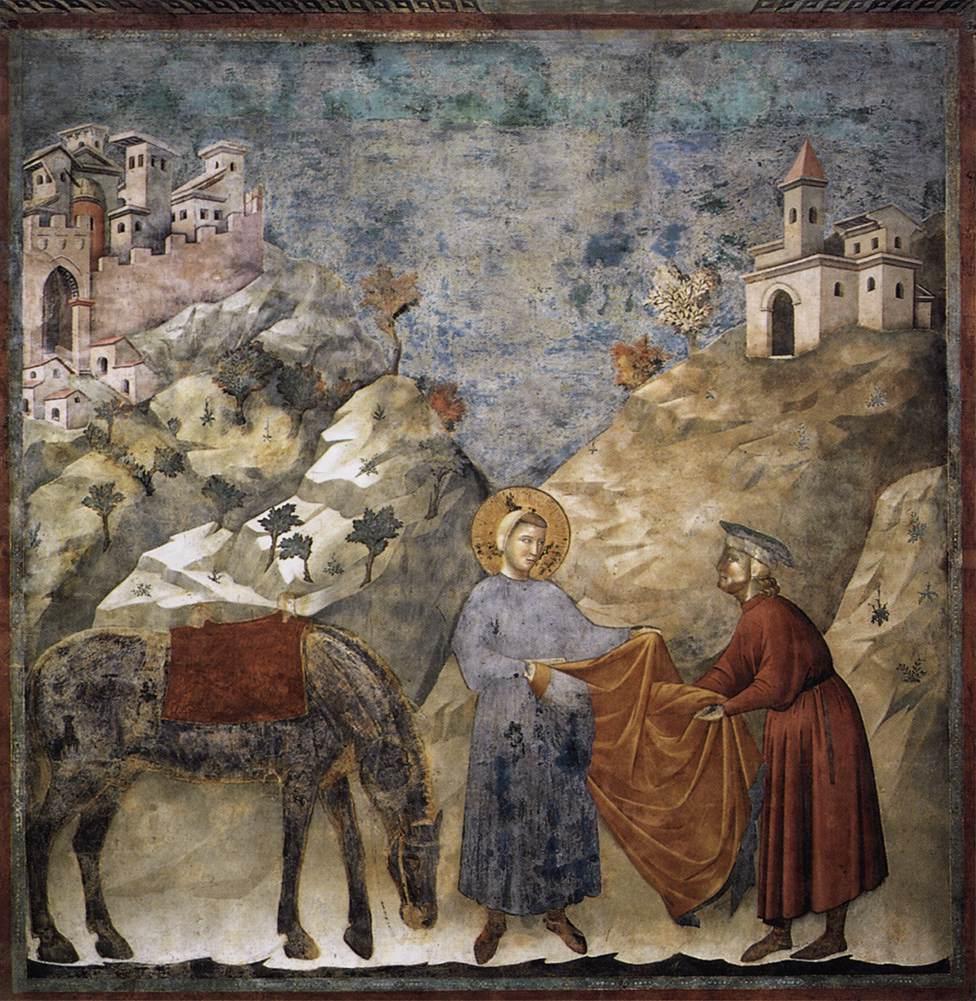
The exhibition—organized on the occasion of the eight hundredth anniversary of his death—explores the profound and complex relationship of Francis of Assisi (1181/2–1226) with clothing.
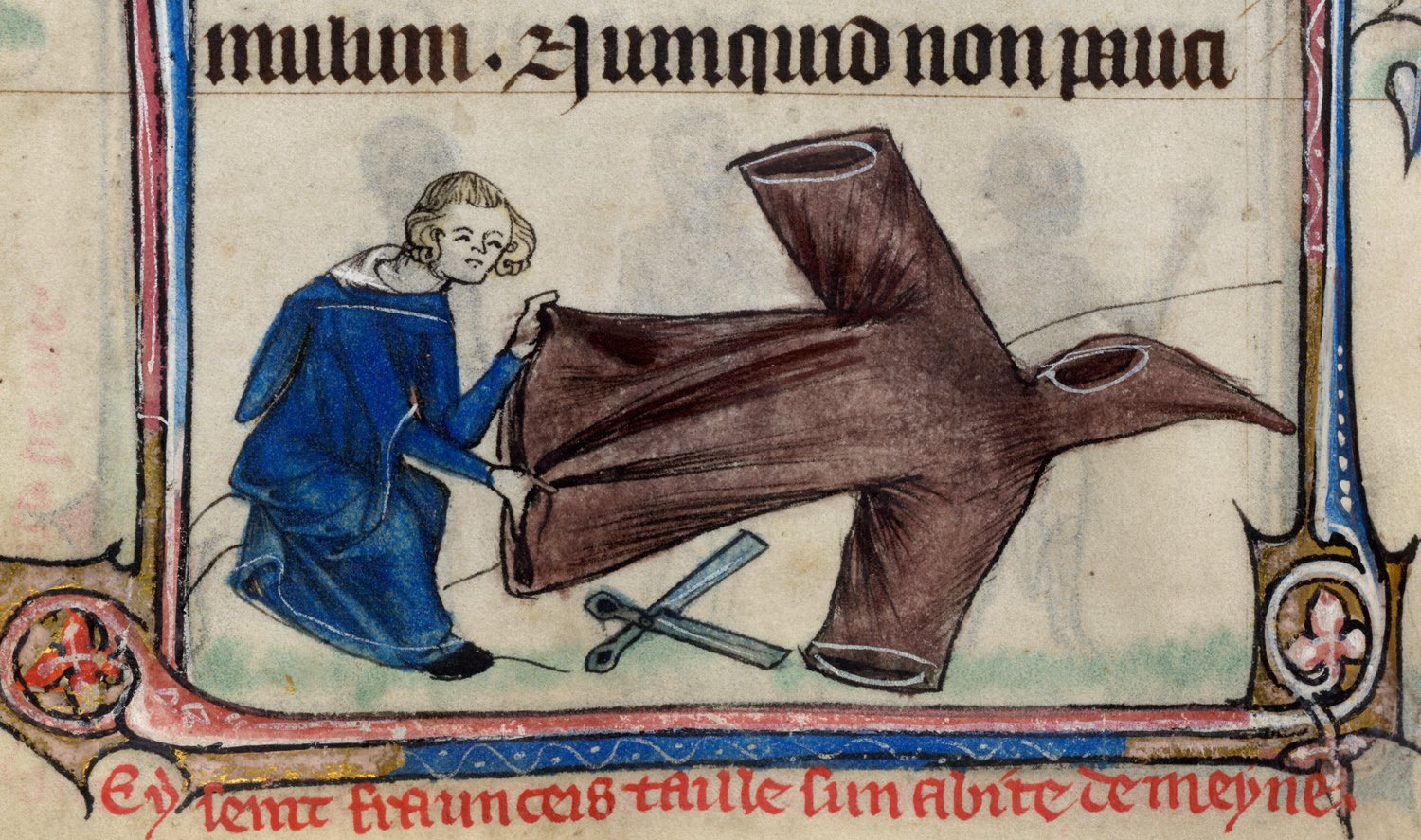
Connected to the world of luxury fabrics through his family’s business, Francis breaks away from it with dramatic gestures, most notably by stripping completely in public to return all his garments to his father. Yet, at the same time, he reveals a remarkable attention and sensitivity to clothing—one that only a true expert could possess.
When he stood naked before his father and the Bishop of Assisi, he was offered ‘the poor, shabby cloak of a peasant, a servant of the bishop. Receiving it with gratitude, he traced the sign of the cross upon it with his own hand, using a brick that happened to be at hand, and fashioned from it a garment fit to cover a crucified man and a half-naked pauper’.
In search of the perfect robe to express his choice of a radical way of life his and of his brothers, thus she summarised it in her Testament: “those who came to embrace this life, gave to the poor everything they had to give, and were content with a single cowl, patched inside and outside, of the cord and of the trousers. And we didn’t want to have any more”.
Even as death drew near, he gave precise instructions for the making of his final habit, asking his friend Jacopa de’ Settesoli to procure “ash-coloured coarse cloth, of the sort woven by Cistercian monks in overseas lands”. Like his Lord, however, “he wished to leave this world naked, and he enjoined the friars who stood around him, in obedience to charity, that after his death they should leave him naked there on the ground for the time it would take to walk a mile at a comfortable pace”.
This is an original and fascinating journey that moves through the costumes of Franco Zeffirelli’s masterpiece Brother Sun, Sister Moon, biographical testimonies, and artistic representations.
+++
There are films that stay with you, which become part of our personal and collective biographies by bridging and uniting generations, which move, surprise and captivate the imagination like the most beautiful fairy tales.
Among these, Brother Sun, Sister Moon, directed by Franco Zeffirelli and released in the United Kingdom and in Italy in 1972, is certainly one of the most loved.
The Maestro’s direction is unforgettable, as is the elegance of his cinematic language, which brings to life a spectacular medieval world that blends historical accuracy with fantasy; his profound spirituality ensures that every detail, every shot, and every scene works in perfect harmony within this masterpiece.
The screenplay, co-written by Lina Wertmüller and Suso Cecchi d’Amico, is superb; in it, the story – that of Francis, from his calling to the founding of the order – becomes a message of love offered to his contemporaries.
The cast is outstanding, as is the voice acting (Francesco is voiced by Giancarlo Giannini, and Gino Cervi plays Pope Innocent III, portrayed by Alec Guinness), the music by Riz Ortolani, and the singing by a twenty-year-old Claudio Baglioni.
Danilo Donati’s costumes are simply stunning, and the exhibition showcases them in all their beauty, originality and sartorial genius. An invitation to reflect on cinema’s capacity to invent and amaze, on the craftsmanship and creativity that becomes art and wonder through the colours and textures of fabrics and jewellery.
On display are the film’s costumes preserved by the Cerratelli Foundation, the habit of St Francis and some jewellery preserved by the Zeffirelli Foundation.
Opening hours
4.10.2026, 10:00 – 19:000
5 – 9.10.2026, 15:00 – 19:00
10 – 11.10.2026, 10:00 – 19:00
12 – 16.10.2026, 15:00 – 19:00
17.10.2026, 10:00 – 15:00
Note: on weekday mornings it will be possible to organize guided tours for the schools. The reservation system will be activated in September 2026.
Further information will be available in the coming weeks.
Organization
The curators

Lorenzo Cantoni
Director of the UNESCO Chair at USI - Università della Svizzera italiana
Graduated in Philosophy, he obtained a PhD in the field of education. He is a professor at USI – Università della Svizzera italiana (Lugano, Switzerland), Faculty of Communication, Culture and Society, where he serves as Director of the Institute of Digital Technologies for Communication and as Head of the UNESCO Chair in ICT to develop and promote sustainable tourism in World Heritage Sites, established at USI in 2013. He is member of the WHES - World Heritage Experience Switzerland board and director of the Master in Digital Fashion Communication, offered in collaboration with Sorbonne University (Paris 1 Panthéon-Sorbonne), as well as the Master in International Tourism.
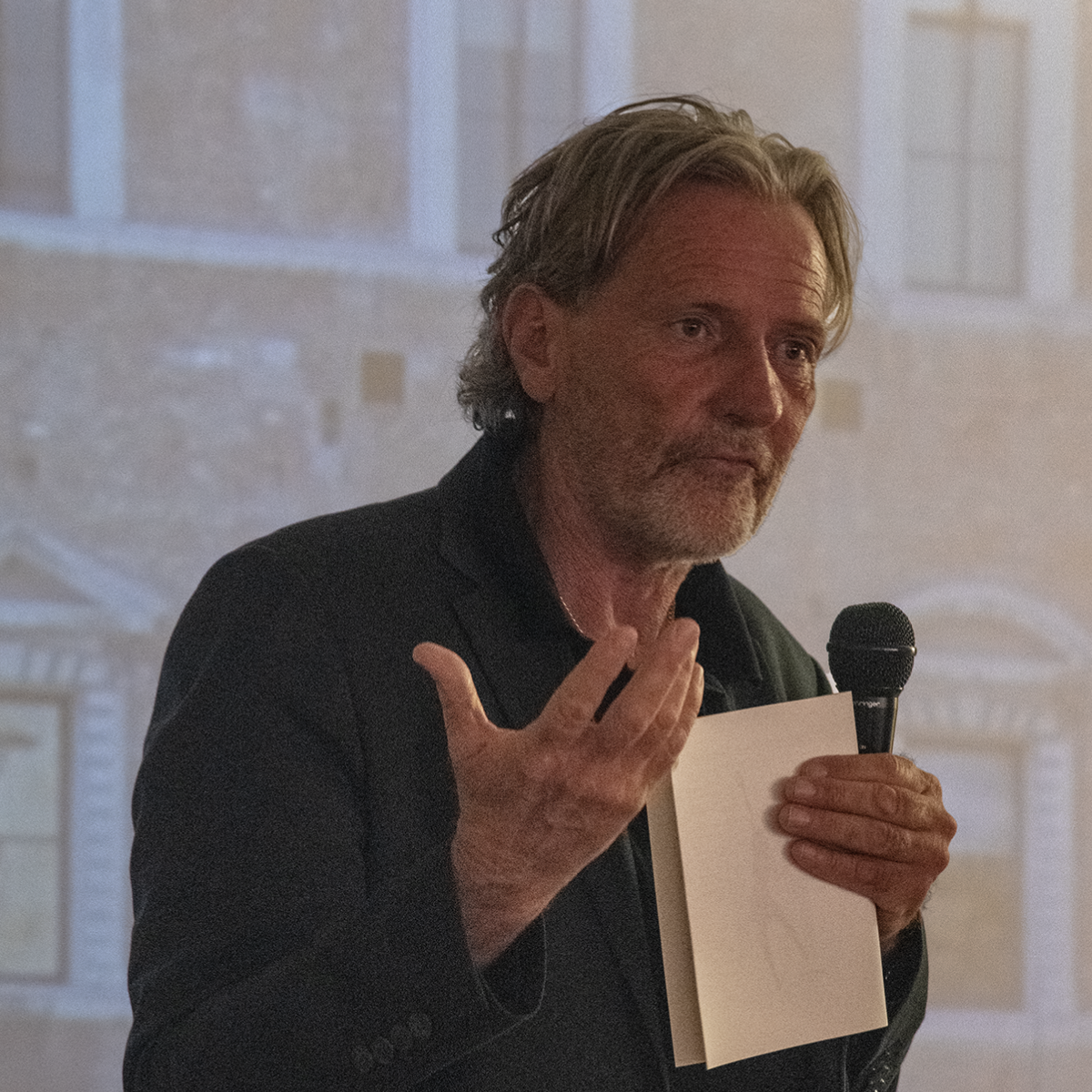
Alessandro Tosi
Scientific Director of the Museo della Grafica at Palazzo Lanfranchi
He teaches and conducts research in the Department of Civilizations and Forms of Knowledge at the University of Pisa as a professor of Modern Art History. He served as President of the degree program in "Cultural Heritage Sciences" from 2003 to 2006, President of the joint council of the degree programs in "Tourism Sciences" and "Design and Management of Mediterranean Tourism Systems" from 2008 to 2014 and from 2021 to 2023. He is currently Vice President of the University of Pisa’s Museum System. Since 2007, he has been the Scientific Director of the Museo della Grafica at Palazzo Lanfranchi (Municipality of Pisa, University of Pisa), which houses the collections of the Cabinet of Drawings and Prints of the University of Pisa.
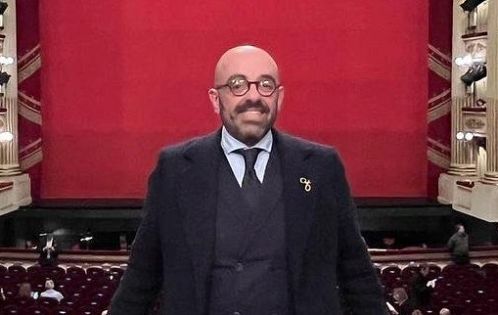
Diego Fiorini
President of the Pisa Theatre Foundation
Diego Fiorini organizes exhibitions and events related to costume and contemporary art for major occasions such as the Venice Biennale, the Venice Film Festival, and in prestigious venues including the Baptistery in Pisa’s Piazza dei Miracoli, the Basilica of San Francesco in Assisi, the Cathedral of the Principality of Monaco, the Costume Gallery of Palazzo Pitti, and the Royal Palace of Milan.
He has worked on art catalogues—overseeing the photographic campaigns and layout—for renowned publishers such as FMR, Motta, and Pacini, collaborating with distinguished masters of photography including Aurelio Amendola and Mario Mulas.

